Code: Select all
Archbishop John Nienstedt was in the middle of a heated political fight over same-sex marriage in February of last year when he learned of a disturbing secret, hidden in the basement of the chancery — pornography from a priest's computer, some of which appeared to depict children.

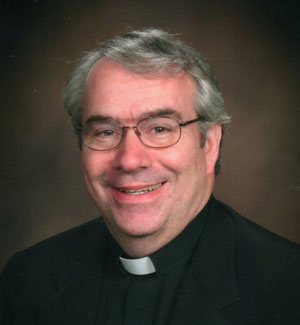
Canon lawyer Jennifer Haselberger had uncovered several computer discs and a white three-ring binder kept in the basement archives of the chancery building — the headquarters of the Archdiocese of St. Paul and Minneapolis. It was evidence from a 2004 internal investigation of sexually explicit images found on the computer of the Rev. Jonathan Shelley, then pastor of St. Jude of the Lake church in Mahtomedi, Minn.

Haselberger, a firebrand top official who joined the archdiocese in 2008, notified Nienstedt of the evidence, which included a report at the time from a private investigator that found that many of the depictions "could be considered borderline illegal, because of the youthful-looking male image."

What followed was a contentious, yearlong debate among top leaders inside the chancery about whether the images met the legal definition of child pornography, according to internal church documents that Haselberger provided to police earlier this year and were obtained by MPR News. The documents shed new light on the Shelley case and provide a closer look at decisions that Nienstedt and former Archbishop Harry Flynn made to keep the matter quiet and continue Shelley in ministry.

• Read the documents from Shelley's file

[b][size=150]The disagreements and rationalizations are replete with citations of canon law, arcane Catholic process and disputes of who knew what, and when.[/size][/b]  :ohno:  Typical Catholic criminals.

[b][size=150]Among the documents is a letter drafted by Nienstedt to the Vatican, dated May 29, 2012, in which he worries that "the images in [Shelley's] personnel file could expose the Archdiocese, as well as myself, to criminal prosecution." Haselberger was told the letter was never sent.[/size][/b]


In a separate memo, dated Jan. 27, 2013, the Rev. [u]Kevin McDonough, who headed the Church's child-safety program[/u], told Nienstedt that at least four of the images were "quite likely of minors." He found no need to take further action because "the images themselves were not pornographic, but enticements to take a further step to view pornography" and appeared to be pop-up advertisements. "Were Father Shelley to have clicked on such advertisements, he would likely have been caught in a law-enforcement sting," McDonough wrote. Still have your kids in catholic school?