EWURanger wrote:BDKJMU wrote:
Since the late 90 with gas have had:
-regular inflation
-worldwide demand has increased greatly (Biggest drivers India & China demand has increased exponentially).
-US hasn't built a new refinery in over 30 yrs.
-#of EPA required boutique blends has increased.
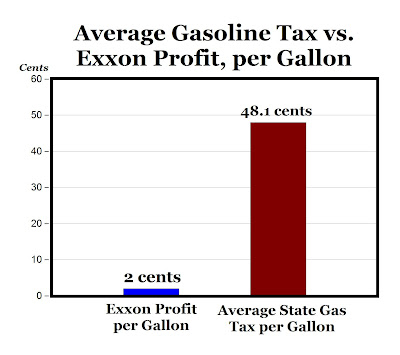
-Taxes have increased.
-Speculators have driven up prices.
-right now we have a war premium built in (Iran).
So its easy to see why the price of gas has justifiably risen about 350% since the late 90s.
Because of technological & manufacturing advances inflation adjusted the prices of electronics has dropped tremendously and cars haven't gone up much. But comparing that to the energy sector is apples to oranges.
I agree about the comparisons. And while I understand the different variables that have gone into the rise in cost of a barrel of oil, I still don't believe that a 400% increase in cost in the time frame that I referenced is really indicative of the true
market value of that product, and I've read plenty of material that would support that view.
But we are getting off track here.
You never answered my question RE: Health Care - is it morally acceptable for our society to treat our Health Care System essentially as big business?
Is it acceptable for such a large percentage of Americans that do not have access to health insurance to be stuck with ridiculously expensive bills for drugs that they are dependant on to live? Not to mention even basic medical services.......
And this problem isn't just specific to poor people, either. There are many, many, hard working people out there that are not properly insured, and are effected big-time by the outrageous cost of something that every citizen should have reasonable access to. That's really what is at the crux of the matter here. Throw out the BS rhetoric about how the free market dictates the costs of Health Care, and ask yourself - is it right that people have to either die or live with serious disability if they cannot get access to these outrageously expensive drugs.
Anyone who thinks there isn't a certain amount of social injustice in our health care system is just kidding themselves. Comparatively speaking, if you look at the health care systems in Canada or the UK, there are some imperfections there - but for the most part people have access to things like life-saving drugs, and won't be either tossed out of a Hospital or stuck with massive medical expenses if they're not insured. I probably have a slightly different perspective on this issue having lived in the UK for two years, but I wonder which system is better?
Sent from my iPhone using Tapatalk
You must have been editing your earlier post right when I was replying because it stopped at the Devil's advocate line.
There isn't a "large percentage" of Americans that don't have access to health care. The claim that 50 million "Americans" didn't have health insurance as of 2010 that a lot of media outlets trumpeted last yr is bogus because included illegals, and illegal immigrants aren't Americans.
So about 40 million people out of about 300 million US citizens and legal immigrants (and legal immigrants who aren't USC aren't American's either) don't have health insurance.
-Many of those that don't are poor on medicaid.
-Some of them chose not to purchase it for various reasons (one of them being many of them young, single, and don't want to pay for something that costs so much that they feel they likely won't need it).
So you're talking about a VERY SMALL percentage of people who are uninsured who:
-are USC or legal immigrants.
-make too much to qualify for medicaid.
-absolutely cannot afford to purchase it.
On the one hand for that small percentage not to have it isn't morally acceptable. On the other hand screwing up what is the most advanced health care system in the world for the 90-95% of the people who are covered isn't morally acceptable either.
The only reason all these drugs that some people can't afford exists is because pharma is a big business. That's because of all the billions that have been poured into R&D over the years. You take the big business out of pharma then you take away the massive amount of R&D $$, then you can kiss goodbye continued breakthroughs in new medications that the US is a world leader in. The breakthroughs aren't going to come from other advanced nations because they don't spend the R&D because it isn't big business.