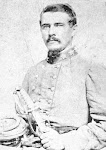


The last of the more than 60,000 Confederate veterans who came home to Alabama after the Civil War died generations ago, yet residents are still paying a tax that supported the neediest among them.
Despite fire-and-brimstone opposition to taxes among many in a state that still has "Heart of Dixie" on its license plates, officials never stopped collecting a property tax that once funded the Alabama Confederate Soldiers' Home, which closed 72 years ago. The tax now pays for Confederate Memorial Park, which sits on the same 102-acre tract where elderly veterans used to stroll.
http://news.yahoo.com/alabama-still-col ... 45624.html" onclick="window.open(this.href);return false;Tax experts say they know of no other state that still collects a tax so directly connected to the Civil War, although some federal excise taxes on tobacco and alcohol first were enacted during the war to help fund the Union.
"Broadly speaking, almost all taxes have their start in a war of some sort," said Joseph J. Thorndike, director of a tax history project at Tax Analysts, a nonprofit organization that studies taxation.
Alabama's tax structure was enshrined in its 1901 Constitution, passed after Reconstruction at a time when historians say state legislators' main goal was to keep power in the hands of wealthy white landowners by disenfranchising blacks and poor whites.
The Constitution allowed a state property tax of up to 6.5 mills, which now amounts to $39 annually on a home worth $100,000. Of that tax, 3 mills went to schools; 2.5 mills went to the operating budget; and 1 mill went to pensions for Confederate veterans and widows.
The state used the pension tax to fund the veterans home once it assumed control of the operation in 1903. The last Confederate veteran living at the home died in 1934, and its hospital was converted into apartments for widows. It closed in 1939, and the five women who lived there were moved to Montgomery.
Legislators whittled away at the Confederate tax through the decades, and millions of dollars that once went to the home and pensions now go to fund veteran services, the state welfare agency and other needs. But the park still gets 1 percent of one mill, and its budget for this year came to $542,469, which includes money carried over from previous years plus certificates of deposit.