The Case For "Obamaphones": Shame on Conks Who Object
Posted: Thu Sep 12, 2013 7:57 am
http://inplainsight.nbcnews.com/_news/2 ... -poor?lite" onclick="window.open(this.href);return false;

'It's not a BlackBerry, but it's helping me for now': Cellphones are now essentials for the poor
After losing her job as a bookstore manager in New York City two years ago, Ethel Brown, 53, also lost her home. Since then, she’s mostly been living under an acquaintance’s roof while trying to find work, and may need to find another place to live soon.
Though money is tight, Brown makes sure she stays on top of her monthly cellphone bill for a $35 prepaid plan from Boost Mobile, which provides her with unlimited minutes and texts. Sometimes she cuts back on buying a cup of coffee or extra food, to ensure she can pay her cellphone bill.
With both her employment and living situation in flux, Brown needs her mobile phone. She uses it to follow up on job and housing leads, and to keep in touch with public assistance agencies, which sometimes follow up with phone calls instead of asking applicants to come into an office. Having a cellphone also helps Brown stay in touch with her family and friends.
"It’s basic. I call it my 'Blueberry,'" Brown said, describing her feature phone. "It’s not a BlackBerry, but it’s helping me for now."
Once considered a luxury, the cellphone has become one of the most popular communication technologies in the world. As a result, many people — regardless of income level — view the cellphone as more of a necessity. Before landlines became essential, they, too, were once used by the privileged few.
Brown is a client at LIFT, an organization that aims to help its community members achieve economic stability. Advocates at the organization also believe cellphone access is crucial to community members, especially for those clients facing a housing difficulty.
"Many of our clients walk through our doors and they’ve just received a marshal’s notice, or a lock has been put on their doors, and they’re trying to figure out next steps and what to do," Rachel Jones, program coordinator at LIFT-The Bronx, told NBC News.
"When your home is in jeopardy, and you are at risk of losing something that should in theory be stable in your life, like a house and a roof over your head, and when a landline is connected to that, then that is essentially not as secure as you would think."
Brown went through a period of a few months where she had no mobile phone, and she said it was awful.
"You have to depend on somebody else to take your messages and when you do go over and speak to the person and say ‘Hey, did anybody call?’… Hopefully they’ll tell you, or they wrote it down," Brown said.

This is the kind of wonderful thing government does. You Conks should be ashamed of yourselves.
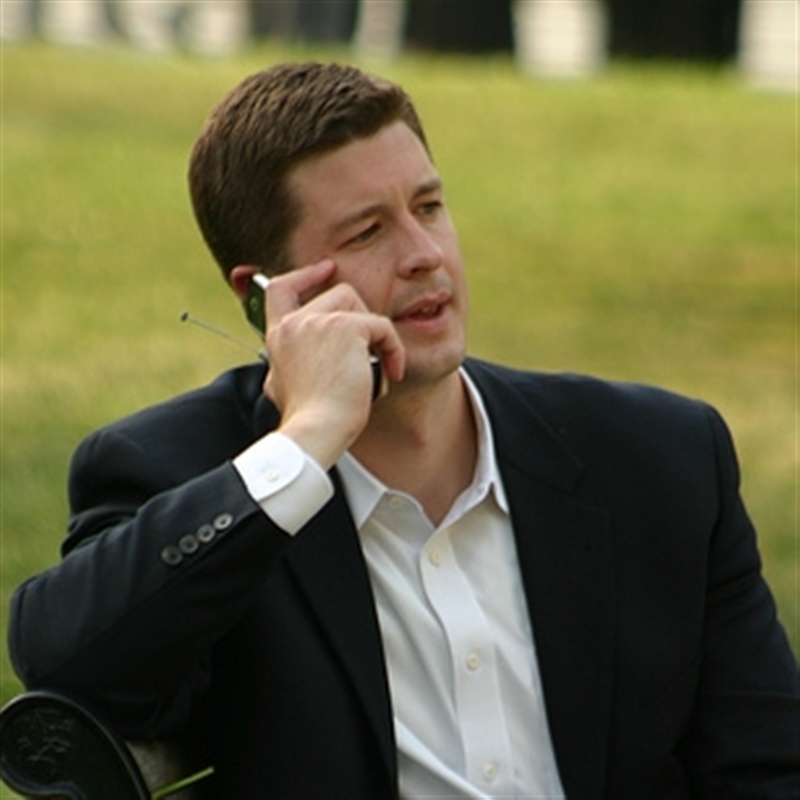
"Yeah, if we get just a few more votes, we can get cell phones outta the hands of the niqqers. I don't want 'em calling KFC on MY dime!"
'It's not a BlackBerry, but it's helping me for now': Cellphones are now essentials for the poor
After losing her job as a bookstore manager in New York City two years ago, Ethel Brown, 53, also lost her home. Since then, she’s mostly been living under an acquaintance’s roof while trying to find work, and may need to find another place to live soon.
Though money is tight, Brown makes sure she stays on top of her monthly cellphone bill for a $35 prepaid plan from Boost Mobile, which provides her with unlimited minutes and texts. Sometimes she cuts back on buying a cup of coffee or extra food, to ensure she can pay her cellphone bill.
With both her employment and living situation in flux, Brown needs her mobile phone. She uses it to follow up on job and housing leads, and to keep in touch with public assistance agencies, which sometimes follow up with phone calls instead of asking applicants to come into an office. Having a cellphone also helps Brown stay in touch with her family and friends.
"It’s basic. I call it my 'Blueberry,'" Brown said, describing her feature phone. "It’s not a BlackBerry, but it’s helping me for now."
Once considered a luxury, the cellphone has become one of the most popular communication technologies in the world. As a result, many people — regardless of income level — view the cellphone as more of a necessity. Before landlines became essential, they, too, were once used by the privileged few.
Brown is a client at LIFT, an organization that aims to help its community members achieve economic stability. Advocates at the organization also believe cellphone access is crucial to community members, especially for those clients facing a housing difficulty.
"Many of our clients walk through our doors and they’ve just received a marshal’s notice, or a lock has been put on their doors, and they’re trying to figure out next steps and what to do," Rachel Jones, program coordinator at LIFT-The Bronx, told NBC News.
"When your home is in jeopardy, and you are at risk of losing something that should in theory be stable in your life, like a house and a roof over your head, and when a landline is connected to that, then that is essentially not as secure as you would think."
Brown went through a period of a few months where she had no mobile phone, and she said it was awful.
"You have to depend on somebody else to take your messages and when you do go over and speak to the person and say ‘Hey, did anybody call?’… Hopefully they’ll tell you, or they wrote it down," Brown said.
This is the kind of wonderful thing government does. You Conks should be ashamed of yourselves.
"Yeah, if we get just a few more votes, we can get cell phones outta the hands of the niqqers. I don't want 'em calling KFC on MY dime!"


